
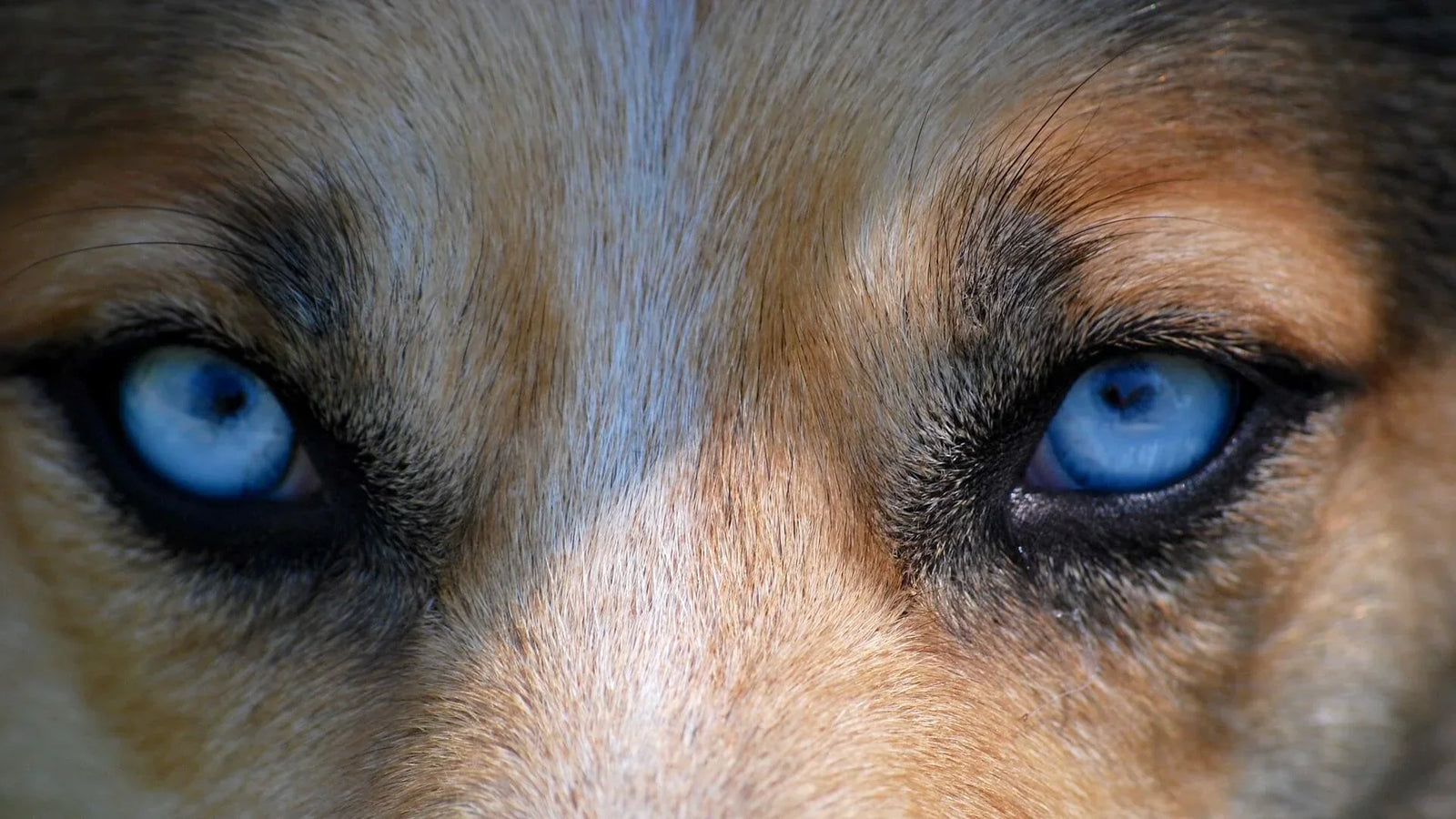
A clinical study published in Veterinary Research Forum evaluated the effects of hyaluronic acid (HA)-containing eye drops in dogs diagnosed with keratoconjunctivitis sicca (KCS), or dry eye disease. The aim was to assess whether HA-based lubrication could improve ocular surface health compared with a carbomer-based tear substitute.
The study included 25 dogs with chronic KCS. All animals were first treated with a carbomer-based artificial tear product and then switched to hyaluronic acid eye drops administered twice daily. Clinical evaluations were performed at baseline, after 2 weeks, and after 4 weeks of treatment.
The researchers assessed:
- Tear production using Schirmer Tear Test
- Conjunctival redness (hyperemia)
- Ocular discharge
- Signs of irritation and discomfort
After switching to hyaluronic acid eye drops, the study observed several improvements in ocular surface condition:
- Significant reduction in conjunctival hyperemia, indicating decreased redness and inflammation
- Improved ocular comfort and reduced irritation scores
- Some reduction in ocular discharge, though not consistently significant
- Minimal change in tear production measured by Schirmer Tear Test
The most consistent benefits were related to surface comfort and ocular lubrication quality rather than tear quantity increase.
The authors concluded that hyaluronic acid eye drops provide superior ocular surface support compared with carbomer-based lubricants in dogs with dry eye disease. The primary mechanism of benefit is not stimulation of tear production, but rather improvement of:
- Tear film stability
- Corneal and conjunctival hydration
- Surface protection and lubrication
This makes HA particularly useful for long-term supportive management of chronic KCS.
Pet eye drops
Share information and details about these products


